UFC Style Matchups: Striker vs Grappler Betting
 Available in US
The lesson I keep relearning about styles making fights
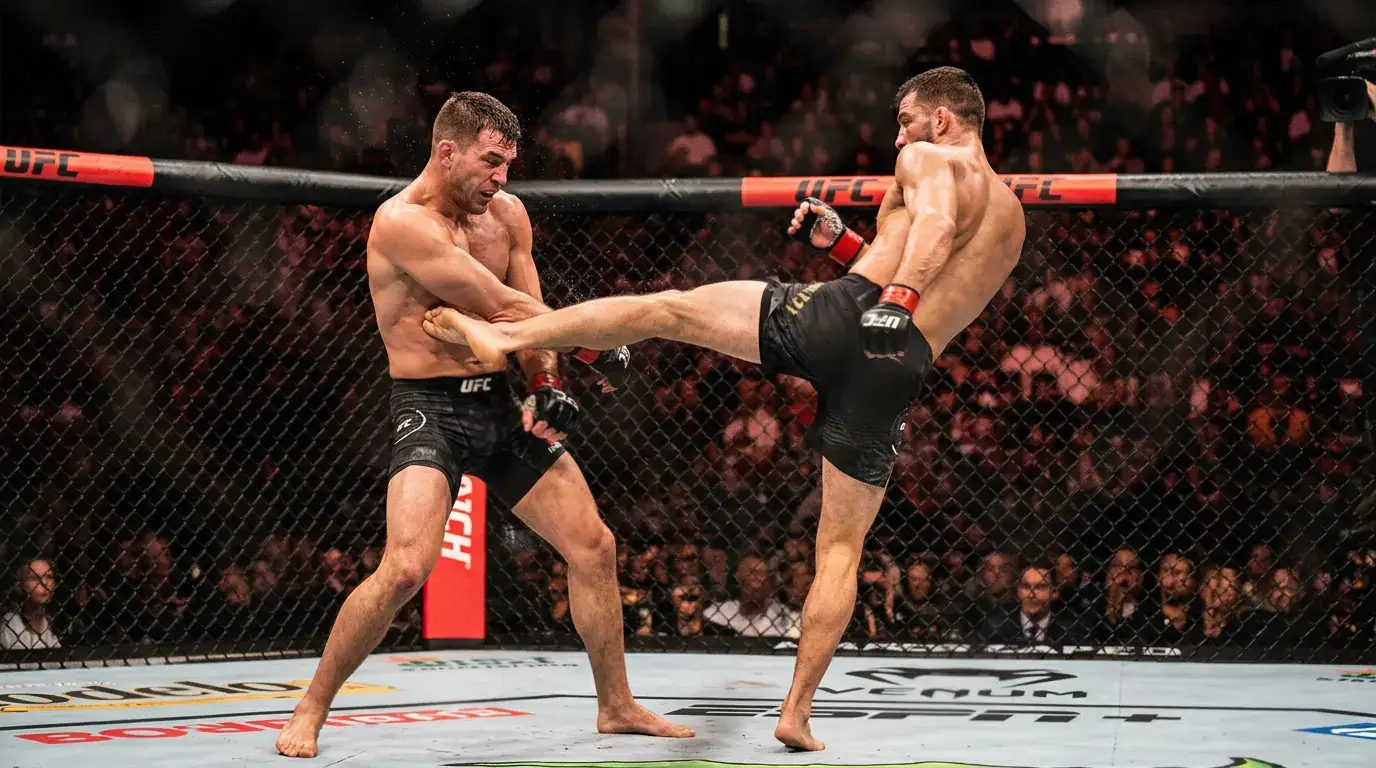
Every punter who has watched MMA for more than a year knows the phrase “styles make fights”. Where most of us go wrong is treating it as a platitude rather than a pricing tool. The striker-versus-grappler matchup is the most obvious style dynamic in UFC betting, and the market does price it reasonably well on the headline numbers. Where it fails is on the secondary signals — reach, stance, takedown defence, clinch time — that turn a generic “striker versus grappler” read into a specific probability number.
Style matchup betting is the practice of reading the stylistic fit between two fighters and using it to inform picks on moneylines, method of victory and round betting. A striker with good takedown defence facing a wrestler who struggles to enter is a different bet from a striker with poor defence facing a wrestler who explodes into takedowns. The market groups both as “striker versus wrestler” for casual pricing purposes; the fight results diverge sharply.
What I want to lay out here is the core striker-versus-grappler frame, how reach and stance modify the base stylistic read, which takedown-defence numbers actually matter at the betting level, and the pricing traps that catch casual punters who read the matchup correctly but bet it wrong.
The striker-versus-grappler frame
The basic dichotomy. A striker is a fighter whose offence is concentrated on the feet — boxing, kickboxing, Muay Thai backgrounds with high significant-strikes output and usually higher knockdown rates per minute. A grappler’s offence is concentrated on the ground or in the clinch — wrestling, jiu-jitsu and judo backgrounds with high takedown output, submission attempts and control time.
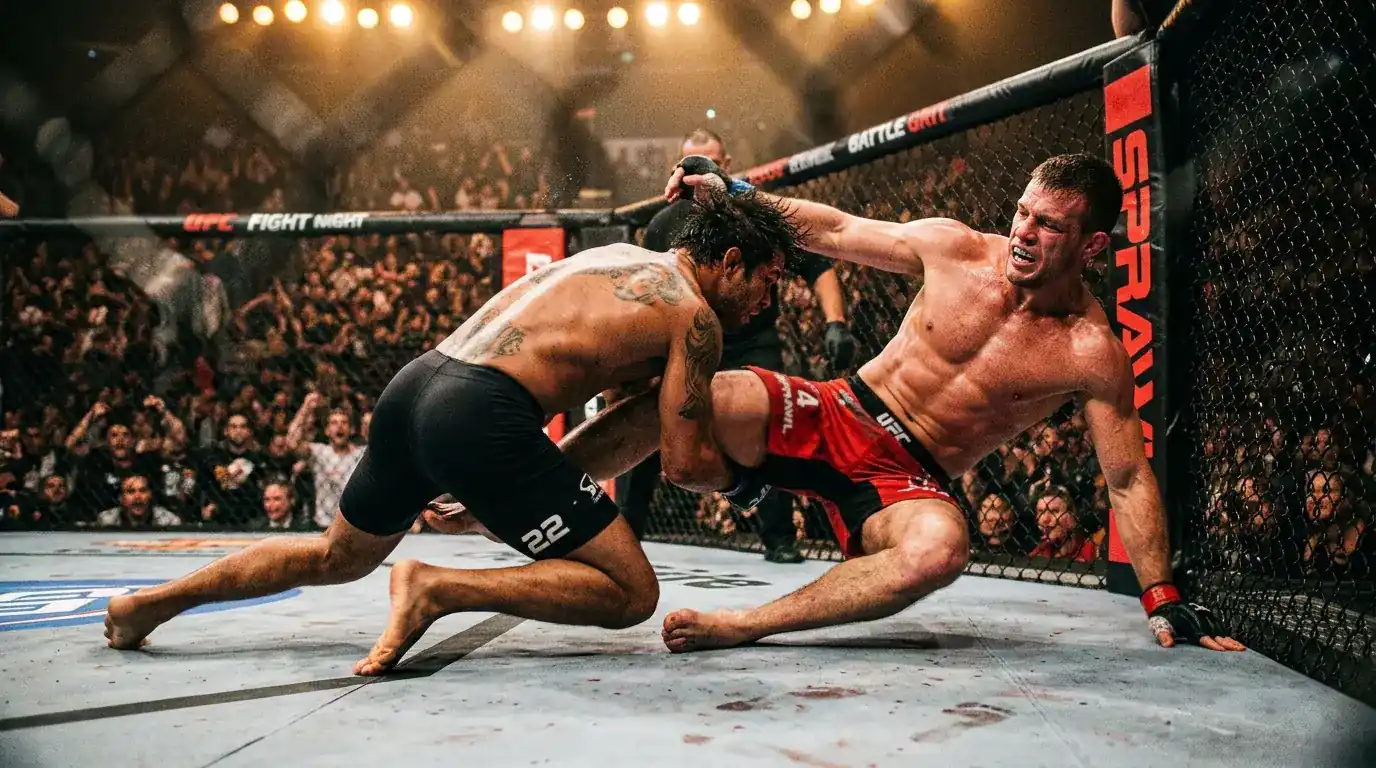
When a striker faces a grappler, the fight becomes a meta-contest: whose specialty imposes itself on the cage? If the grappler can close the distance, secure takedowns, and control from top position, the fight becomes their kind of contest and the striker has limited chances to land clean. If the striker can defend the takedowns, use distance management to keep the fight standing, and land clean significant strikes, the fight becomes their kind of contest and the grappler has limited chances to impose.
Across 2023-2024, UFC underdog win rate on the moneyline sat at roughly 30 to 35 per cent — and within that number, a significant share of underdog wins came from striker-versus-grappler fights where the stylistic fit favoured the dog more than the market priced. A striker priced as an underdog against a decorated grappler because of name value alone, when the grappler has documented trouble with takedown entries, is exactly the pattern that produces recurring upsets.
The key framing: “striker versus grappler” is not the full read. You need to know which striker and which grappler, and specifically what the tape shows about the entry and defence layer of each fighter’s game. The book often gets the headline right and the secondary layer wrong, and that is where the value lives.
Reach advantage and stance edge
Reach is the distance from fingertip to fingertip with arms extended horizontally. Stance is whether a fighter is orthodox (left foot forward, right hand back) or southpaw (right foot forward, left hand back). Both modify the striker-versus-grappler read in specific ways.
Reach on its own matters most in striker-versus-striker fights and less in striker-versus-grappler matchups. A fighter with a six-inch reach advantage can land significant strikes from outside the other fighter’s range and control the tempo of the distance exchanges. But against a grappler trying to close distance and shoot takedowns, reach helps on the way in and matters less once the clinch has engaged. Reach advantages above three inches are usually priced into the moneyline already; below three inches, the effect is small enough that the market sometimes ignores it.
Stance is more interesting from a pricing-edge perspective. Orthodox versus orthodox is the default matchup in combat sports, and fighters have thousands of hours of training against that stance. Orthodox versus southpaw is less common — roughly 15 to 20 per cent of UFC fighters are southpaw — and fighters with limited southpaw sparring exposure struggle against the unfamiliar angles.
The southpaw edge shows up specifically in the first two rounds of a fight, when the orthodox fighter is still adjusting to the southpaw’s footwork and lead hand. Round one and round two finish rates are disproportionately higher in orthodox-versus-southpaw fights than in same-stance matchups. By round three the orthodox fighter has usually adapted, and the stance edge flattens out. For three-round fights, the southpaw’s best windows are rounds one and two; for five-rounders, the edge is similar but the overall impact dilutes across the longer distance.
The trap to avoid. Not every southpaw has a stance advantage. Fighters who came up training exclusively against orthodox opponents sometimes have limited skills when facing another southpaw — mirror-stance matchups between two lefties are genuinely awkward for both fighters. The stance edge is contingent on the orthodox opponent’s familiarity with southpaws, not automatic.
Takedown defence numbers that actually matter
Takedown defence is the percentage of opponents’ takedown attempts that a fighter successfully stuffs. It is measured across a fighter’s career in UFC and published in the public statistical record. High takedown defence is the single most useful individual stat for pricing striker-versus-grappler fights.
Rough thresholds I use. A fighter with takedown defence above 80 per cent is genuinely hard to put on the mat. Most strikers at this level neutralise even decorated wrestlers, and the fight tends to play out on the feet where the striker’s strengths dominate. A fighter with takedown defence between 60 and 80 per cent is the middle band — they will stuff some attempts and be taken down on others, and the fight rhythm depends on how the ground exchanges settle. A fighter with takedown defence below 60 per cent is vulnerable to any committed wrestler, and striker-versus-grappler fights against such opponents usually go the way the tape suggests.
The data is less useful in two specific scenarios. Fighters with fewer than five UFC fights — the sample size is too small to trust. Fighters who have fought primarily against opponents at one end of the striker-grappler spectrum — a fighter whose career record against wrestlers is four fights is harder to read than one with fifteen.
Takedown defence compounds across rounds. A grappler who fails two takedown entries in round one loses conditioning attempting the shots, which reduces sharpness in subsequent entries. A fighter with 85 per cent takedown defence in round one is often defending above 90 per cent by round three, because the grappler is wearing down faster than the striker. This effect is particularly strong in five-round title fights, where the cardio cost of repeated failed takedowns accumulates across a longer distance.
Common pricing traps in stylistic reads
Traps I have fallen into and watch for. The headline-matchup trap — betting purely on “striker versus grappler” without reading the secondary layer. The grappler might be decorated, but if their takedown entries are sloppy and the striker has 85 per cent defence, the headline read is wrong. Watch the tape on the entry layer, not just the resume.
The name-value trap — backing the fighter with the bigger name in a stylistic matchup that favours the other corner. UFC underdog champions have successfully defended their belts at roughly 63 per cent on their first defence, which is a reminder that name value on its own is not a reliable pricing signal. Tape trumps brand.
The finish-rate trap — assuming a high-finish striker wins by finish against a high-finish grappler. Finish rates are sensitive to the style of opponent. A striker who has finished ten strikers does not automatically have the same finish rate against grapplers who push the pace on the ground. The finish profile needs to be read against the opponent type, not in isolation.
The recency trap — overweighting a fighter’s most recent fight result when the stylistic matchup of that recent fight was unusual. A grappler who just lost badly to a striker may still be a terrible matchup for a different striker with worse distance management. Do not treat one fight as settling the stylistic question; read across the full tape.
The “reach always matters” trap — over-crediting a reach advantage in grappling-dominated fights. A six-inch reach advantage matters much less if the grappler is going to close distance aggressively from bell one; the reach only helps on the feet, and the feet may not be where the fight lives. Weight reach by how much striking happens in the fight, not by the raw inches on the tale of the tape.
The synthesised rule. Style matchups are a genuine pricing edge in UFC betting, but the edge comes from reading the second and third layers — the entry mechanics, the specific defence numbers, the stance-familiarity context — not from the headline striker-versus-grappler frame that everyone reads first. Most books price the headline layer correctly. The value sits in the layers below, and it goes to the punter willing to watch tape rather than just read resumes. For the wider context on how style reads fit with underdog strategy, rematch patterns and title fights, the UK betting strategy handbook brings it together.
Does a reach advantage in UFC really predict method of victory?
Modestly, and only in striker-versus-striker matchups. A six-inch reach advantage meaningfully improves a striker’s KO and TKO probability when the fight happens on the feet, because the longer fighter can land from outside the other’s range. In striker-versus-grappler matchups reach matters much less, because the fight may not spend much time at range. Below three inches of differential, the effect is usually too small for the market to be consistently wrong about.
How heavily should I weight takedown defence data pre-fight?
Heavily, once the sample size is adequate. A fighter with at least six UFC bouts and takedown defence above 80 per cent is genuinely hard to put on the mat, and striker-versus-grappler matchups against such fighters typically play out standing. Below 60 per cent defence and the fighter is vulnerable to any committed wrestler. The middle band of 60 to 80 per cent is where the fight rhythm depends on specifics. Factor in cardio — takedown defence compounds across rounds as the grappler tires from failed entries.
Is the southpaw-vs-orthodox edge overstated at UK sportsbooks?
Sometimes, but the edge is real when the orthodox opponent has limited southpaw experience. Round one and round two finish rates skew higher in orthodox-versus-southpaw matchups than same-stance fights, because the orthodox fighter is adjusting to unfamiliar angles. By round three the adjustment has usually happened and the edge flattens. The market prices stance advantages reasonably well on headline fights but sometimes underweights the effect on prelim and mid-card bouts where the tape is less scouted.
Prepared by the Best Place to bet on ufc editorial staff.