Best Odds Guaranteed on UFC: What the Offer Actually Means
 Available in US
The promotion that looks better on the banner than on the bet slip
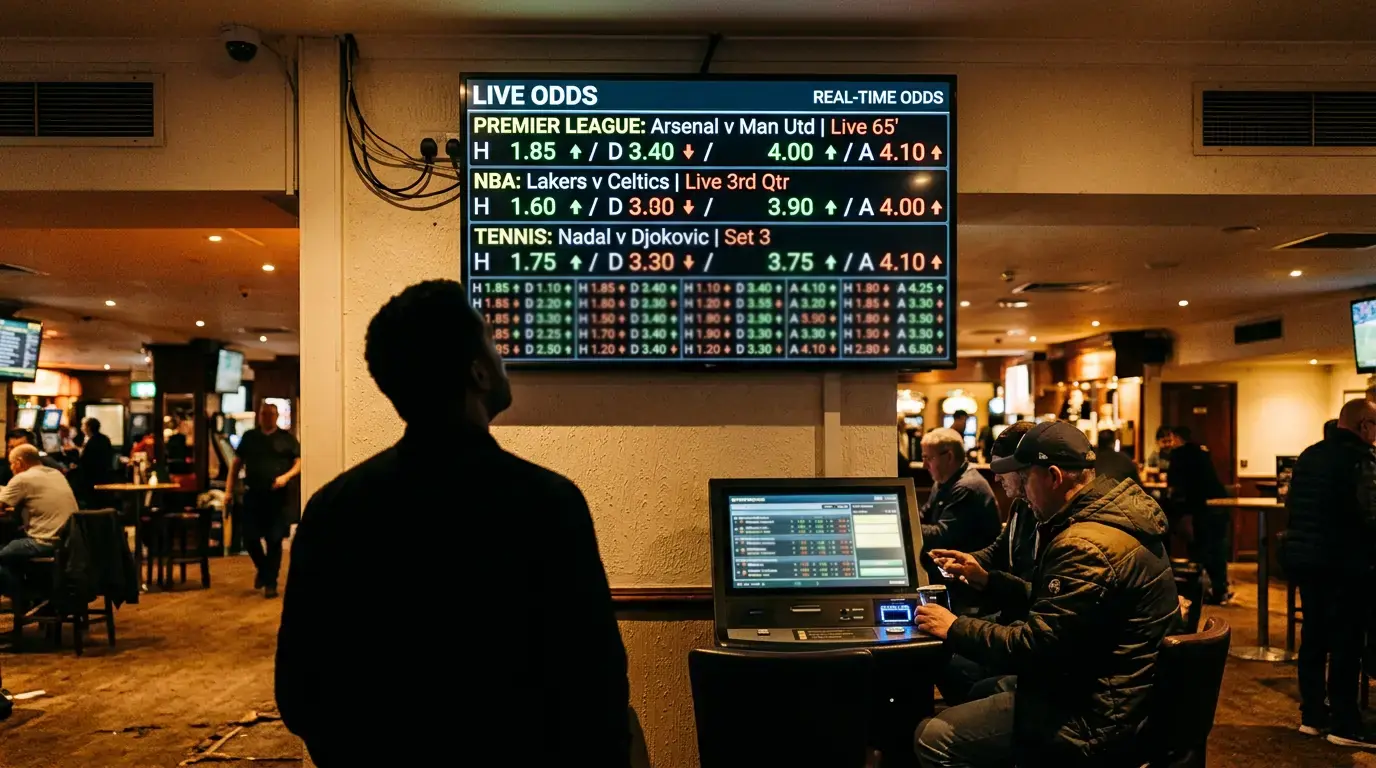
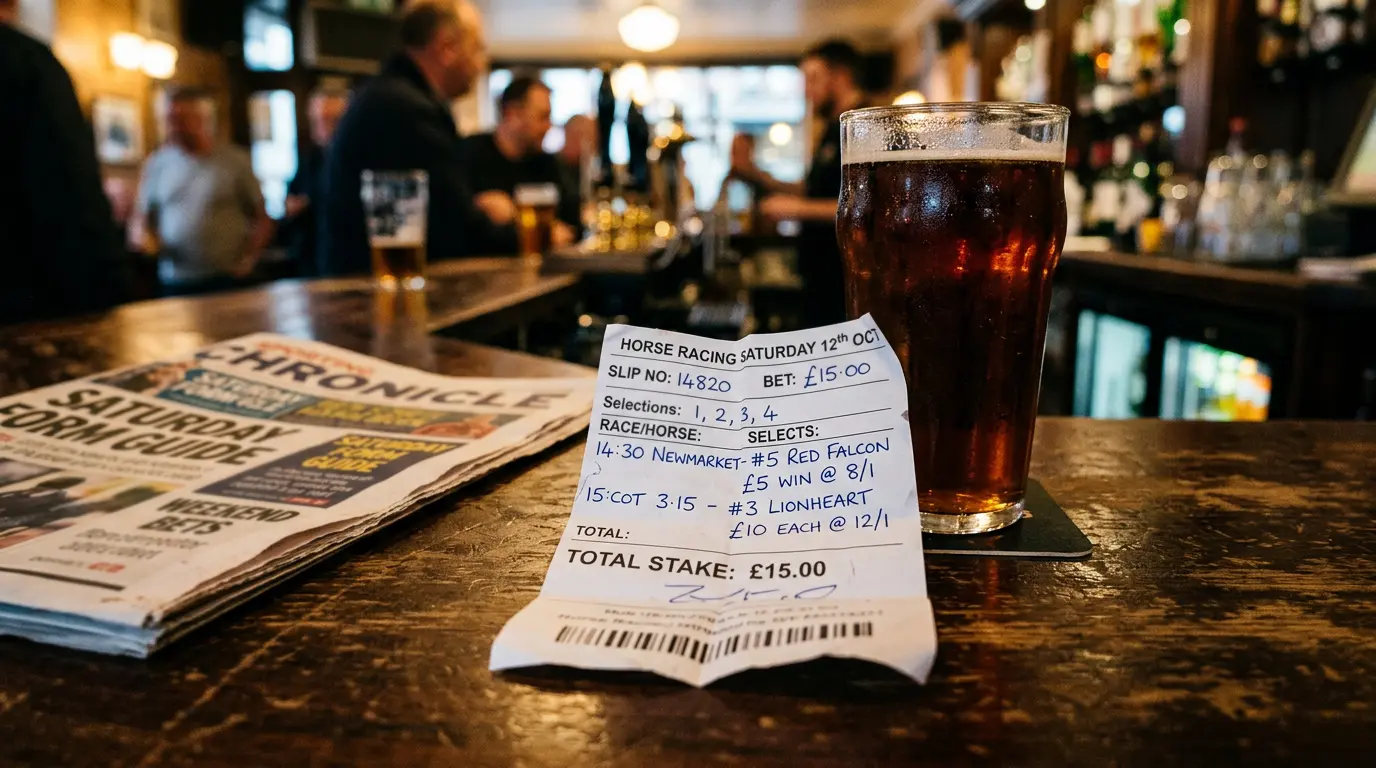
Walked past a William Hill shop in Newcastle a few years back and saw a poster advertising “Best Odds Guaranteed on All Racing”. Fair enough. Walked past another UK bookmaker the following week with a near-identical poster, but the small print read “horse racing and greyhounds only”. Same language, different scope. That is BOG in a nutshell — it sounds universal, it is not, and you have to read the small print to know whether it applies to the sport you actually bet on.
Best Odds Guaranteed is the promotion where, if you take a price on a selection and that price drifts bigger before the event starts, the book pays you out at the bigger final price instead of the one you locked in. It is standard practice in British horse racing — rooted in the Starting Price concept where horses have an official price called at the start of the race, and BOG pays you whichever is better between your early price and the SP.
The question UK UFC punters keep asking me is whether BOG applies to MMA markets, and the answer is “sometimes, sort of, with conditions”. Let me walk through how it actually works, which UK books extend it to UFC markets, the terms that kill most claims before they happen, and when the offer genuinely shifts value in your direction.
BOG in horse racing versus BOG on a UFC coupon
Horse racing BOG has a clean mechanism. You back a horse at 5/1 on Monday morning. By the start of the race on Saturday, the horse has drifted in the market to 7/1 — bigger price because less money has come in on it than the book expected. Your bet pays out at 7/1, not the 5/1 you took. The reference price is the Starting Price, a published number calculated from the on-course market seconds before the off.
UFC does not have an SP. There is no regulated “starting price” published seconds before the first bell. So any BOG offer that applies to UFC has to define its reference point differently, and the definitions vary wildly between books. Common approaches: the price at “first bell” (the book’s own final traded price moments before the walkouts), the price at a specific cutoff time (say, one hour before the main card starts), or the price at the moment the book closes the market before in-play begins.
Each of these definitions changes when the promotion triggers. A “first bell” BOG captures essentially all of the pre-fight drift up to the moment the fighters walk out — most generous from the punter’s view, but rare. A “cutoff time” BOG locks in the reference an hour or more before the fight, which kills a chunk of the late drift you might have benefited from. Always check which reference the book uses before you assume BOG is doing what you think it is doing.
Which UK books actually offer BOG on UFC
The picture changes often enough that anything specific I write will age, but the stable pattern is this. A handful of UK books extend BOG routinely to UFC moneylines. Several others offer BOG on UFC only during promotional periods — around big PPV cards, for example — and not on Fight Night events. Several more offer BOG on horse racing and football but carve out UFC explicitly.
The practical check: before you stake on a UFC selection with the expectation of BOG, find the promotions page, find BOG specifically, and look for a clause that names UFC (or “MMA”, or “combat sports”) as either included or excluded. If the clause is silent on UFC, default assumption is not covered — most UK operators run BOG as an opt-in sport list rather than a default-on-everything policy. Across the UK regulated sector there are roughly 22.5 million adults using licensed betting and gaming services each month, so operators pitch BOG heavily as a marketing hook, but the actual scope of the promotion is usually tighter than the hook implies.
What the book specifically does not do: extend BOG to every market on a UFC card even when they do extend it to moneylines. Round betting, method of victory, totals, props, Bet Builders — typically outside the scope of BOG even on books that cover the fight winner market. Read the list of covered markets carefully because “BOG on UFC” might mean “BOG on the two-way moneyline on main-card fights only”.
The terms, exclusions and small-print traps
Here is where most BOG claims die. The common exclusions on UK UFC BOG offers, in rough order of frequency.
Minimum and maximum stake caps. “BOG applies to stakes between £1 and £100” is typical. If you stake £200 at a short price and the price drifts to a bigger one, the BOG upside only applies to the first £100 of that stake — the rest settles at the original price. Defensive clause from the book’s side, but it can blunt the value on a meaningful-sized bet.
Minimum price floor. “BOG applies to selections of 1/4 or bigger” means selections shorter than 1/4 (80 per cent implied probability) are excluded. Fine for most UFC action, but if you are backing a short-priced championship favourite, the BOG protection disappears.
Cash-out interaction. If you cash out a BOG-covered bet before the event, BOG does not pay out the drift — you took the cash-out price, so the promotion does not trigger. Obvious on reflection, but I have seen people expect BOG to kick in on top of a cash-out and be surprised.
Bonus and free-bet stakes usually excluded. BOG applies to cash stakes only on most books. If you have placed a bet with a free bet token or a reload bonus, the BOG upside is not available. This is rarely documented prominently and it is one of the most common sources of complaint I see online.
In-play bets always excluded. BOG applies to pre-event prices only. A live UFC bet placed between rounds two and three does not qualify for BOG, even on books that cover pre-event UFC moneylines.
And one trap that catches experienced punters out: some books run BOG as “best odds between your taken price and SP” (with SP defined creatively for UFC), while others run it as “better of your taken price or closing price”. The mechanics are similar but the outcomes occasionally differ — if the price moved to a bigger number, then back to a smaller one before the event, one format pays the peak while the other pays the actual closing. Read which format your book uses.
When BOG actually pays out more
The mechanism only pays out when the price on your selection drifts bigger between the moment you bet and the reference point. If the price shortens (gets smaller), you get paid at your original price, which was already the better one. That is why BOG is a pure-upside promotion — there is no downside for you — but that does not mean it fires every time.
When does the price genuinely drift? Usually on underdogs. Favourites tend to get shorter as the fight approaches because public money piles in late. Dogs tend to drift because the money flows the other way. So BOG on a 2/1 UFC underdog taken on Monday morning might cash at 5/2 by fight night. BOG on a 4/9 favourite is much less likely to trigger, because the favourite’s price is more likely to shorten than lengthen.
Practical consequence: BOG is most valuable when you are backing dogs or underdog markets. Across 2023-2024, UFC underdog win rate on the moneyline sat at 30 to 35 per cent, so a portfolio of well-reasoned underdog bets already has reasonable long-term merit — BOG adds a tailwind on those specifically, because the dogs you back are the ones that drift. UFC favourites at the very short end (-400 to -900 in American) win 88 to 93 per cent, and those prices only move smaller as fight night approaches, which means BOG on them is cosmetic.
One exception worth knowing: on a fighter coming off a bad loss or a weight miss, the market sometimes drifts the favourite too, because late negative news changes perceptions. Those are edge cases but they are real. If the favourite is drifting because of something concrete rather than just noise, BOG catches the benefit of that drift at the price you locked in.
The summary I give to friends who ask. BOG on UFC is not a promotion worth chasing at a book you otherwise dislike — the value is real but not large, maybe 1 to 2 per cent of expected value over a year of disciplined action, and only on the specific markets and selections it covers. If your current book offers it on UFC moneylines with reasonable terms, good, leave it enabled and benefit when it triggers. If your book does not, the hassle of moving bookmakers purely for BOG is almost always not worth it versus line-shopping for the best opening price in the first place. For broader context on how price promotions fit into the odds picture, the UK odds handbook has the wider framing.
Is Best Odds Guaranteed normally extended to UFC markets?
Only on some UK books and usually with scope conditions. The promotion is standard on horse racing across almost every UK operator, but UFC coverage varies. Even on books that do extend BOG to UFC, the coverage is usually limited to the two-way moneyline on main-card fights. Round betting, method of victory, totals, props and Bet Builders are typically outside the BOG scope even when fight-winner is inside it.
Does BOG apply to Bet Builders and same-fight parlays?
Almost never. Bet Builders are a combination product with their own pricing mechanics — the book prices them separately from the single-market selections, and BOG terms on most UK books exclude combination bets by default. The same applies to accumulators, same-fight parlays and system bets. If you care about BOG, stick to straight single selections on markets the book lists explicitly in its BOG terms.
Which starting price do books use for UFC BOG settlements?
There is no regulated starting price for UFC like there is for horse racing, so each book defines its own reference. Common choices are the price at first bell, the price at a cutoff time an hour or so before the main card, or the closing traded price when the market locks for in-play. Different definitions produce different settlement outcomes on the same fight, so check which reference your book uses before assuming anything.
Published by the Best Place to bet on ufc team.