UFC Prop Bets and Exotic Markets for UK Punters
 Available in US
Table of Contents
- The fun corner of the coupon where margins hide in plain sight
- Time of finish: the prop I actually back with conviction
- Gone in 60 seconds and its variants
- Performance props: takedowns and significant strikes
- Both fighters knocked down and other novelties
- Why I am selective about props and when I back them properly
The fun corner of the coupon where margins hide in plain sight
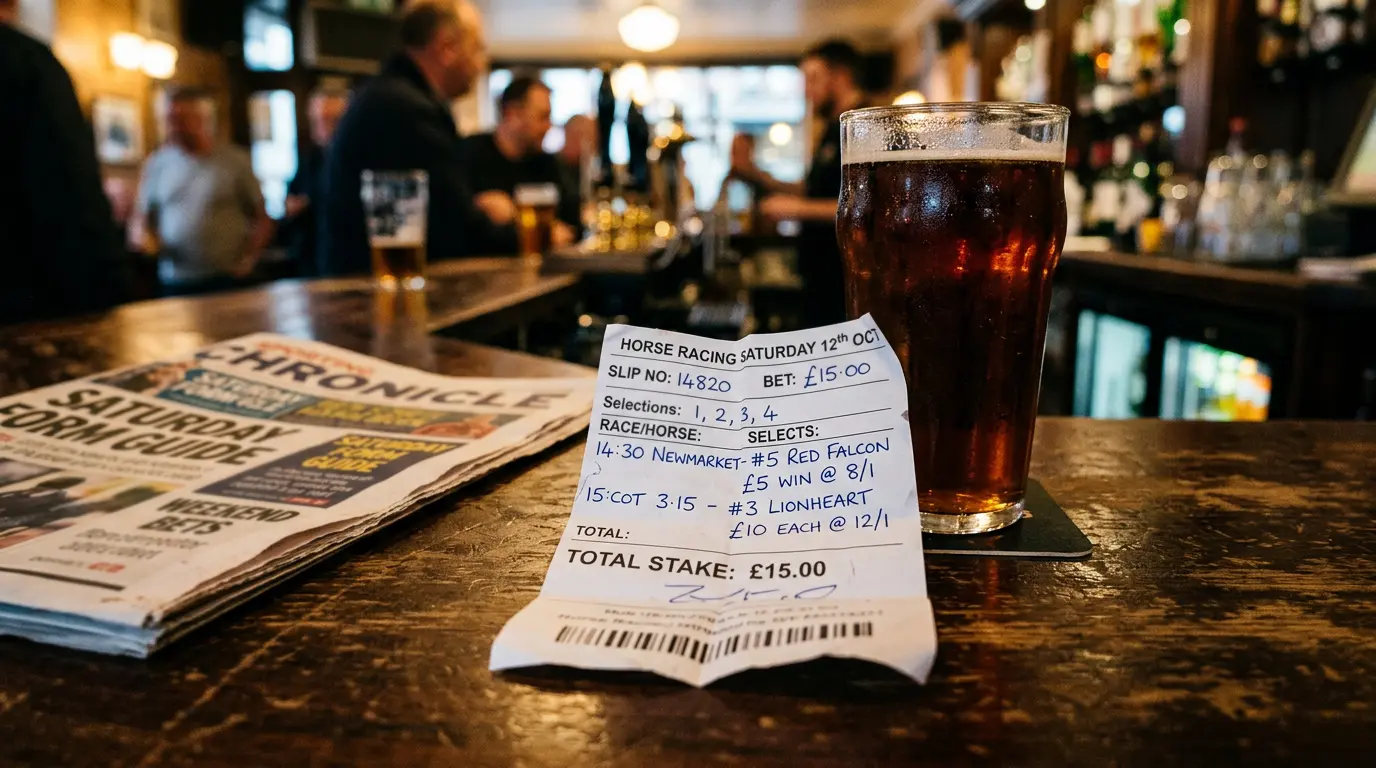
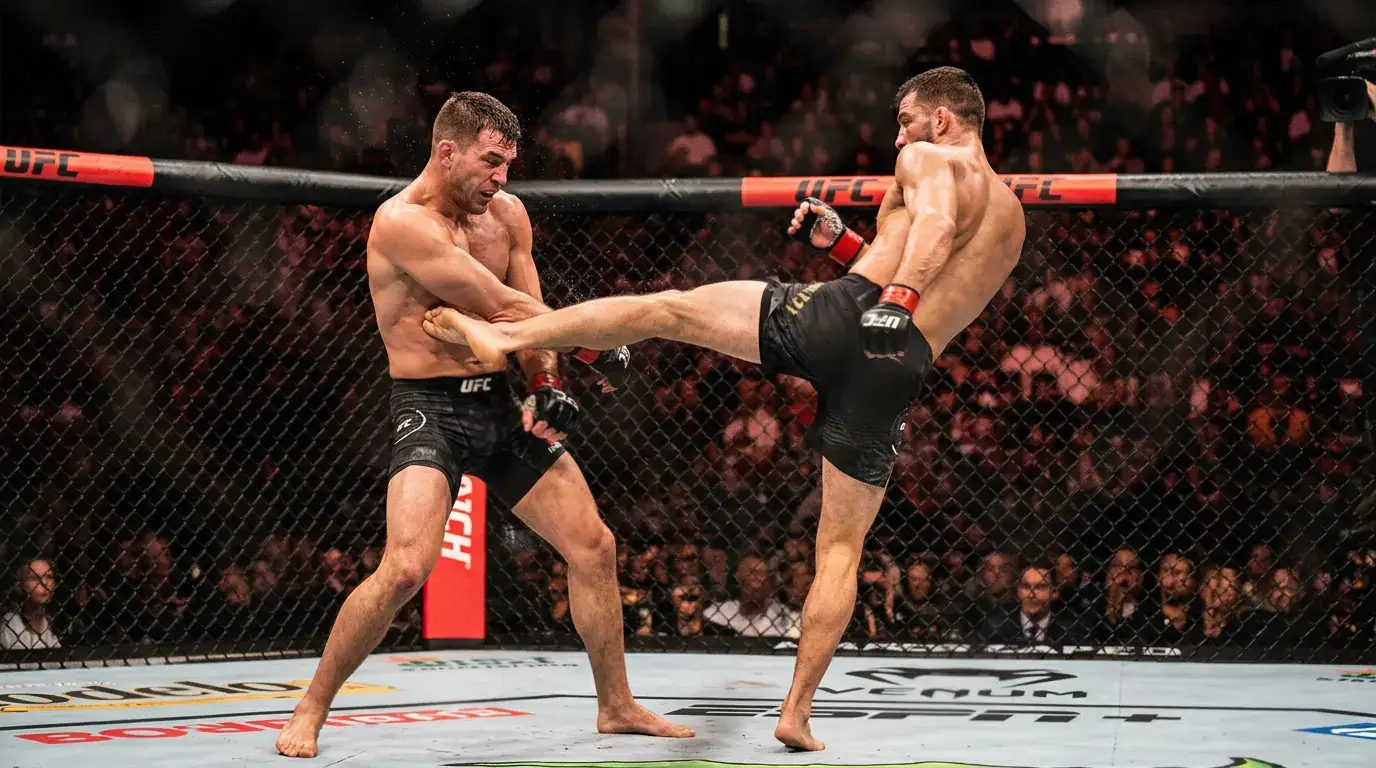
My favourite bet I ever placed was a fiver on “gone in 60 seconds” at 14/1. The fighter I backed walked out, threw one head kick, and the referee was waving it off before I had even properly sat down. Seventy-five pounds to the good and about four minutes of television to watch. The problem is that I remember that bet vividly and I do not remember the next twenty attempts that went down in flames. The house does, though.
UFC prop bets — sometimes called exotic markets, sometimes novelty bets — are the selections on the coupon that go beyond who wins, how they win, and which round. Time of finish. Both fighters scoring a knockdown. Total significant strikes landed. Takedowns in a three-round fight. Whether the winner gets a post-fight bonus. The range on the bigger UK books now is huge, and the quality of pricing varies wildly across markets.
What I want to set out here is which props are worth your time, which are tourist traps, how the margins differ from the main coupon, and when a proper edge actually exists. Plenty of these markets are priced by algorithm on volume too thin to matter, which cuts both ways — sometimes the book’s price is nonsense in your favour, and sometimes it is nonsense in the opposite direction. Reading which is which is the whole skill.
Time of finish: the prop I actually back with conviction
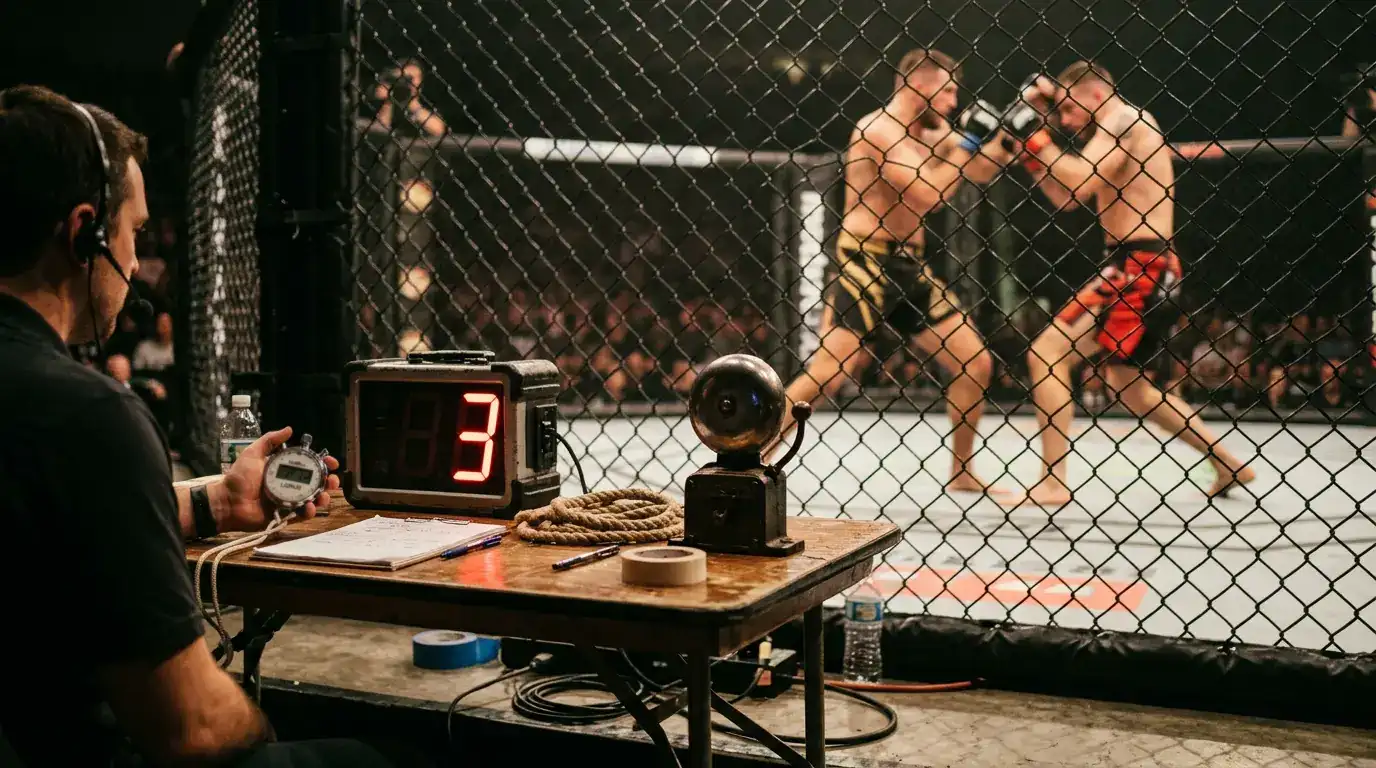
Time of finish is the market where you stake on the specific window in which the fight ends. The buckets vary by book, but a common structure breaks into “0:00-1:00”, “1:01-2:30”, “2:31-5:00” and so on in two-and-a-half or five-minute chunks, plus “fight goes the distance”. Each window carries its own price, and the distribution fans out across the whole fifteen or twenty-five minutes of scheduled action.
What makes this market interesting is that it combines round betting with a finer resolution on the when. If you are confident a fight ends in round 1, you are probably more confident it ends in the second half of round 1 than the first, because most referees do not stop fights in the opening minute without overwhelming damage. The price on “2:31-5:00 of round 1” versus “0:00-2:30 of round 1” often does not reflect that asymmetry well — the book has priced them symmetrically because that is the default model, not because the data supports it.
The trap on time of finish is that you are right less often. Under UFC underdog win rates of 30 to 35 per cent from 2023 to 2024, any market that chops the winning outcome into finer buckets chops your hit rate with it. You might be picking the winner 55 per cent of the time on your shortlisted fights — on a four-way split of the finish timing, you are probably down to 15 per cent hit rate on the specific window even when you are right about the outcome. The prices need to reflect that, and usually they do. Where the value lives is in the windows where your read is specifically about timing, not just about the finish.
Gone in 60 seconds and its variants
“Gone in 60 seconds” is the market where you back the fight to end in the first minute. A few UK books offer it as its own selection; most bake it into the time-of-finish breakdown as “0:00-1:00 of round 1”. Either way, the prices sit in the long range — typical quotes are 12/1 to 25/1 depending on the matchup.
Who wins these bets: reckless strikers against chinless opponents, judo specialists who open with a trip-and-finish sequence, heavyweight power punchers against anyone not named Francis Ngannou. Who does not win these bets: almost everyone else. The hit rate across all UFC fights for a 60-second finish is in the low single digits. Even on shortlisted matchups it rarely climbs past 10 per cent, so the 12/1 quote is sometimes generous and often dead on the line.
My rule: I back “gone in 60 seconds” only when I have a specific opening sequence in mind that I have watched the fighter execute before. A spinning heel kick they throw in the first exchange. A flying knee that has finished their last two fights in the first round. A takedown-to-arm-triangle chain they have drilled. If the logic is “this guy is a banger and the other guy has a weak chin”, that is not a 60-second bet, it is a round 1 finish bet at a much shorter price. The two are often confused and the long price seduces people into the wrong market.
Performance props: takedowns and significant strikes
Performance props are the market for the stats heads. Total significant strikes landed by a named fighter (usually over/under a specific number). Total takedowns in the fight. Control time exceeding a threshold. These markets are mostly available live-only on most UK books, because pre-fight lines on performance stats take heavy action from people with proprietary models and the books do not want the exposure.
The few pre-fight significant-strikes props that do exist usually come on main event fights, where the book has enough historical data on both fighters to set a line they are confident about. A striker who averages 5.5 significant strikes per minute against a grappler who throws 2.0 per minute is going to end up with a line somewhere around 50-60 significant strikes in a three-round fight if the striker controls distance. Where the line lands relative to that expectation is where you make your decision.
Takedown props are more forgiving to model because the distribution is coarser. A fighter with a 4.0 takedown average against an opponent with 50 per cent takedown defence is going to land somewhere in the 2-4 range on average. The book might set the line at 2.5, and the decision is whether the matchup favours the upper or lower half of that distribution. Grappler against grappler is usually lower than the model suggests because both fighters defend takedowns well. Grappler against striker with poor takedown defence is usually higher.
The margin on these props is chunky — 6 to 8 per cent overround on the two-way line is common, sometimes more on the stats with wider distribution. That makes them harder to beat long-term than moneyline or method of victory, and the reason the books are willing to offer them is that the casual punter cannot model them well enough to exploit the margin.
Both fighters knocked down and other novelties
The weirder end of the prop shelf. “Both fighters knocked down in the same fight” is usually priced at 10/1 to 20/1 depending on the matchup, which sounds long until you realise it has happened in a high-profile UFC title fight at least once a year for the last several years. Chaotic strikers against chaotic strikers have produced this outcome often enough that the market sometimes underprices it.
“Fight of the Night bonus” is another novelty — you back whether the fight you are betting on will win the post-fight bonus awarded by UFC brass. The market is thin, the price is long (often 5/1 to 8/1), and the outcome is essentially subjective, which is why I avoid it. You are not just predicting the fight, you are predicting what Dana White’s mood will be when he watches it back. UFC underdog champions, the ones who walked in as the dog and won a title, defended it at roughly 63 per cent — the point being that there is real, modellable data in the main markets. There is no comparable model for bonus-winning because there is no comparable dataset.
“Fighter to retire in the octagon” is a dark novelty offered by a couple of UK books on selected legacy fights. I do not back it on principle. Taste aside, the price is never good enough to compensate for how rarely it happens, and there are better ways to express a read that a fighter is washed than a ghoulish prop.
Why I am selective about props and when I back them properly
Most of the prop market is higher margin than the main coupon, higher variance in both directions, and priced by models that are not as sharp as the pricing on moneyline and totals. That does not make props bad — it makes them a different kind of bet. Treat them as discretionary plays where you have a specific read, not as a way to dress up a moneyline pick at a bigger number.
What I do with props: I keep a shortlist of fighters whose finishing windows or stylistic tells I have a genuine edge on, and I bet those props only when the fighter is on the card. I do not bet the time-of-finish line on every main event. I do not bet takedown props on every wrestler. I bet them when the matchup specifically favours my read over the book’s model, and I skip them otherwise. If you want to pair this with the rest of the coupon, the full UK markets handbook sets out where props sit alongside the main lines.
What is ‘gone in 60 seconds’ and which UK books offer it?
It is a prop that settles if the fight ends within the first minute of round one. Several UK books offer it as a standalone selection, and on the rest it is baked into the time-of-finish market as the ‘0:00-1:00 of round 1’ window. Prices are long — typically 12/1 to 25/1 — because the hit rate is low. Back it when your read is specifically about the opening sequence, not just a general sense the fight ends early.
Are UFC performance props (strikes, takedowns) available pre-fight or live-only?
Mostly live-only. Pre-fight performance props are usually offered only on main events and title fights, where the book has enough historical data on both fighters to set a confident line. On prelim and undercard fights, these markets generally open once the first round is underway, when the book can recalibrate based on what it has actually seen.
Do exotic UFC markets always carry higher bookmaker margin than the main coupon?
Almost always, yes. A standard two-way moneyline might carry 3 to 5 per cent overround. Time-of-finish, performance props and novelty markets typically run 6 to 10 per cent, sometimes more on the wider-distribution stats. The extra margin is how the book protects itself against its own model uncertainty on lower-volume markets, and it is part of why props are harder to beat long-term.
Written by the editors at Best Place to bet on ufc.