Cash Out on UFC: When to Lock In, When to Hold
 Available in US
The feature I used badly for about two years before I understood it
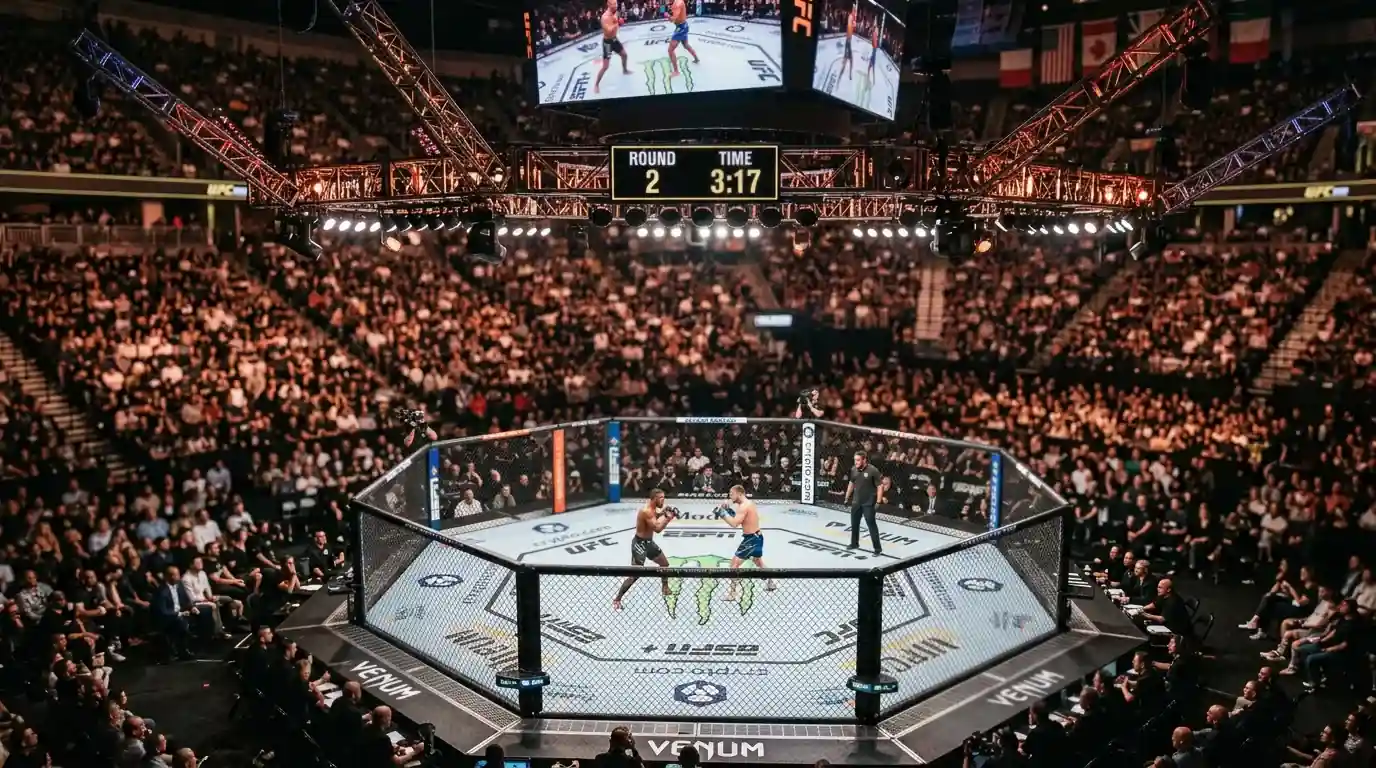
The first time I cashed out a UFC bet was on a featherweight fight where my fighter was winning comfortably in round two. The app offered me £87 on a £40 bet that would have paid £96 if the fight finished as expected. I panicked — up fifty quid, and I took the cash out without thinking. Fighter won the fight comfortably. I had left £9 on the table for no reason other than nerves. Over the following two years I did this maybe twenty more times before I understood what cash out is actually doing.
Cash out is the option to settle a live bet for a fixed sum before the event finishes. The book offers you a number. You accept or you let the bet ride. The number reflects the current live probability of your bet winning minus the book’s margin on the cash-out transaction — not the face value of what you would win if the bet settled as planned.
What I want to work through is how the cash-out price is actually calculated, when partial cash-out and auto cash-out make sense, why the offer sometimes disappears at the worst possible moment, and the specific scenarios where cashing out is the right play versus the wrong one. Spoiler: most of the time it is the wrong play. Knowing the exceptions is where the skill lives.
How cash out price is calculated
The underlying formula is straightforward in concept. The book looks at your original stake, your original price, the current live probability of your bet winning, and applies a margin. The cash-out offer is roughly: (current implied probability of win) x (original total payout) minus (cash-out margin).
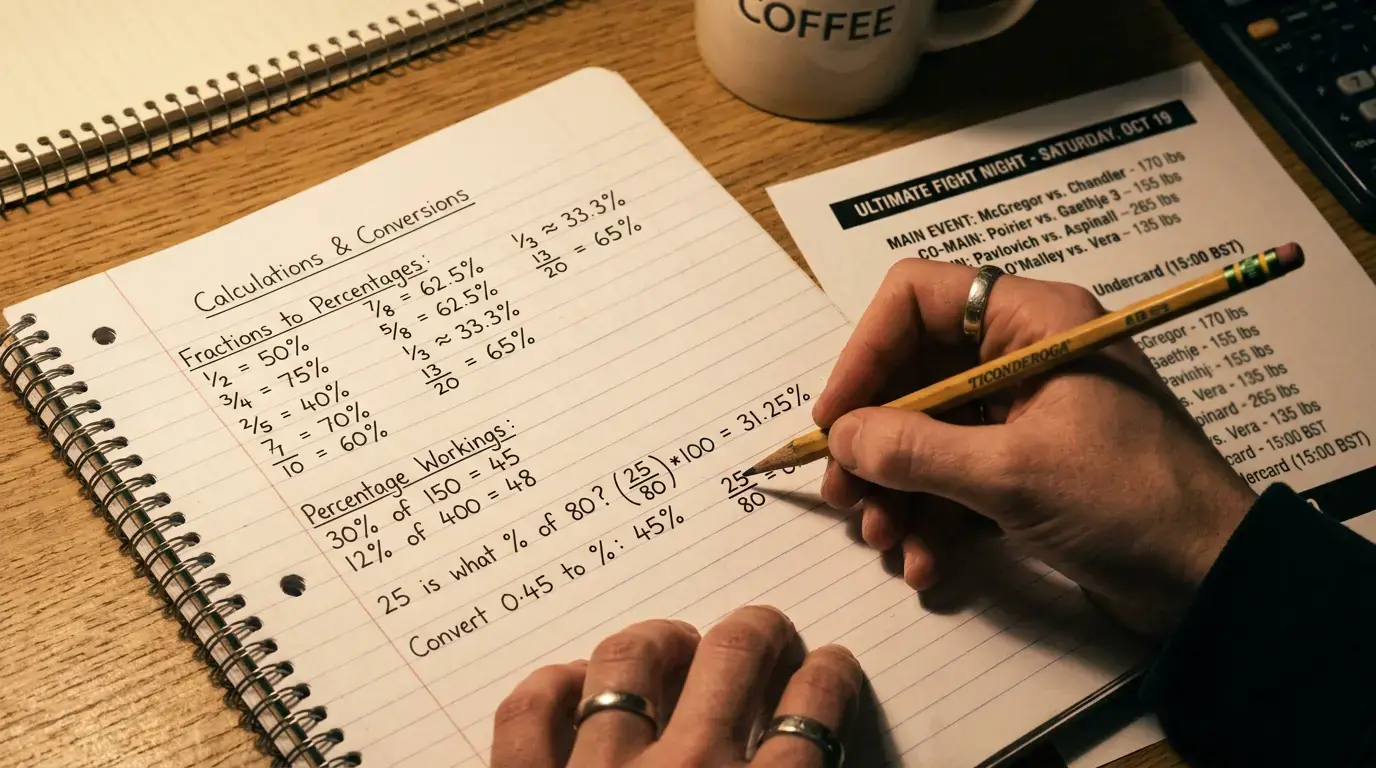
Work through an example. You backed a fighter at 4/1 with a £20 stake. Total payout if it wins is £100 (£80 profit plus £20 stake). The fighter has won round one convincingly and the live moneyline has shortened to evens (50 per cent implied probability). The book’s cash-out calculation is roughly 50 per cent of £100 = £50, minus a cash-out margin of 5 to 10 per cent, leaving an offer of around £45 to £47.
What the £45 offer represents: you were staked at a position worth around £50 in expected terms based on the current market. The book takes a £3 to £5 cut for the privilege of settling early, and you get the rest. Accept or decline.
The cash-out margin is where the book makes money on the feature. Book one might charge 4 per cent, book two might charge 8 per cent. You are rarely told the exact number — it is baked into the offer rather than broken out — but you can reverse-engineer it by comparing the cash-out figure to the live-market implied value of your bet. If the gap is wider than you expected, the cash-out margin on that book is wider than you thought.
Across the UK sector, remote betting produced £7.8 billion in GGY in 2024-25, and cash-out revenue is a real share of that number. Every time a punter cashes out a winning position, the book keeps a few percentage points that would otherwise have been paid out in full. Useful feature for the user, profitable feature for the book.
Partial cash out and when it earns its keep
Partial cash out lets you take some of the money off the table and leave the rest in the bet. You choose how much of the stake to cash out — the app will show you a slider going from “cash out everything” through various percentages down to “leave everything in”. Stake £20 at 4/1, round one goes your way, cash out 50 per cent of the stake for £22.50, leaving £10 of notional stake in place to continue as a live bet.
This is where cash-out starts being genuinely useful rather than just defensive. Partial cash-out lets you lock in your original stake (or more) as a realised gain while leaving upside exposure on the bet. If the fight ends as you predicted, you collect the reduced payout on the remaining stake; if it turns, you have already secured the cash you pulled out.
Where it gets interesting: partial cash-out to an amount equal to your original stake effectively converts the bet into a “freeroll” — you cannot lose money on the position anymore, because the cash out covered the original risk. Whatever the remaining stake produces is pure profit (or zero).
The downside: the cash-out margin applies to every partial, not just the first one. If you cash out 30 per cent, then later cash out another 30 per cent, you have paid the book’s cut twice. On a big winning position, a single full cash-out is usually more efficient than a series of partial ones, although the partial approach gives you more psychological control over when to pull the trigger.
Auto cash out and the set-and-forget option
Auto cash-out lets you set a target cash-out value, and the app automatically accepts the cash-out when the offer reaches your number. Set a target of £60 on a position that is currently offering £45, and if the live price moves in your favour enough that the cash-out offer hits £60, the system pulls the trigger without you having to be watching.
This is genuinely useful on long fights or when you are not going to be glued to your screen for every minute. Set a reasonable target, get on with your evening, check the app afterwards to see whether it triggered.
What to set the target at: high enough that you would genuinely be pleased with the outcome, low enough that the fight has a realistic chance of getting you there. A common rule I use is to set auto cash-out at 70 to 80 per cent of the eventual full payout — high enough to feel like the ride was worth it, low enough that reasonable in-fight progress from my fighter will trigger it.
What auto cash-out does not protect against: the bet going south before your target is hit. If you set a target and the price moves against you, the offer never reaches your number, and the bet either continues to settlement (win or lose) or you have to intervene manually with a lower cash-out offer. Auto cash-out is a ceiling, not a floor.
When cash out is simply unavailable
Some moments during a fight you cannot cash out, and the app will just grey out the button or show “cash out unavailable”.
Common reasons. The live market is suspended — during scrambles, potential stoppage moments, or video feed glitches — so the book cannot calculate a current cash-out price. The bet includes markets that the book cannot model in real time (rare on UFC moneylines, more common on obscure props). The bet is part of an accumulator where one leg has already settled and others have not — some books disable cash-out on mixed-settlement accas. The book has manually disabled cash-out on the specific fight, usually because of an integrity concern or because action on the fight has been suspended for review.
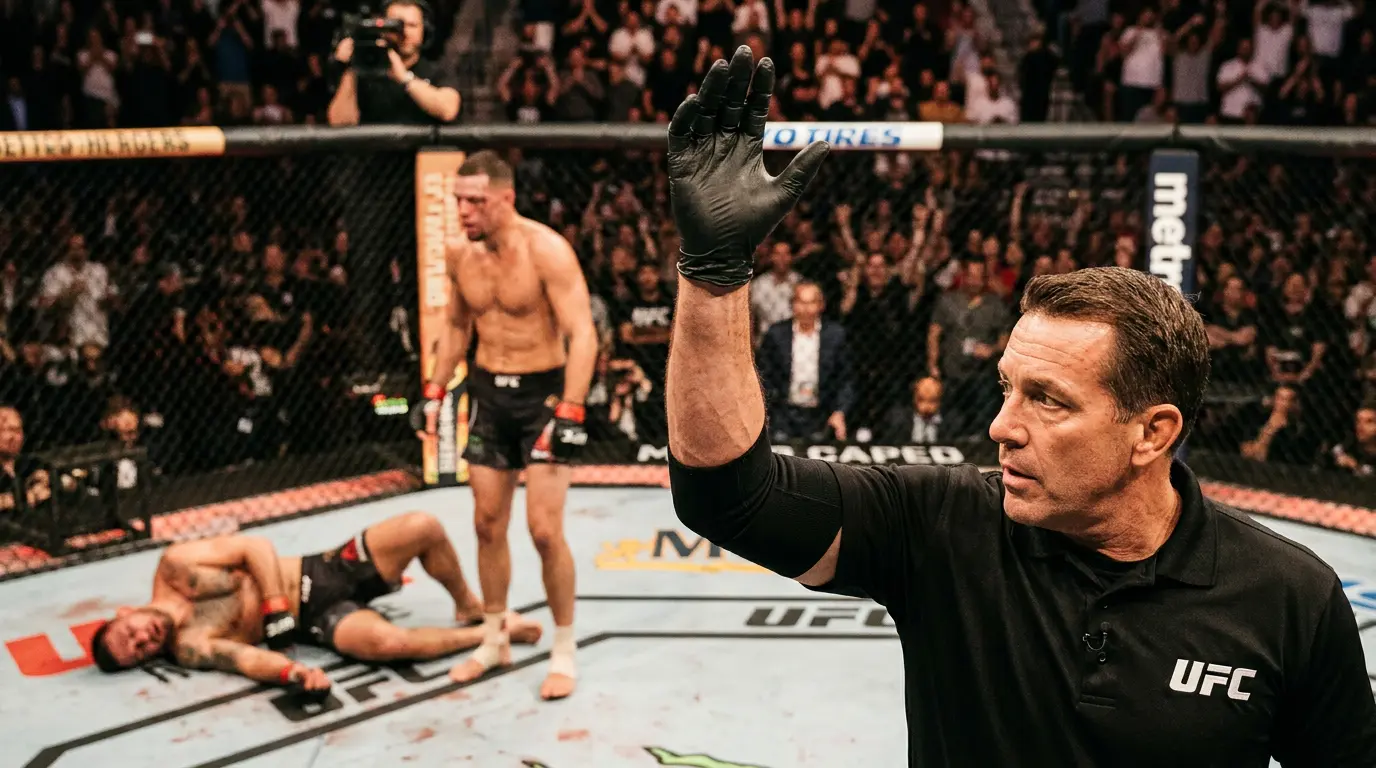
The scenario that frustrates people most: the fighter you backed is visibly hurt, you want to cash out to salvage something, and the cash-out button is disabled because the live market has suspended after a knockdown. By the time the market reopens, either the fight is over (bet lost) or the fighter has survived and the price has already moved against you. Cash-out is a feature that exists until exactly the moment you most want to use it.
There is nothing elegant to do about this. If you are depending on cash-out as your risk management strategy on live UFC bets, you are going to be disappointed sometimes. Treat cash-out as a sometimes-available option rather than a guaranteed exit, and size your stakes accordingly. UFC underdog win rate across 2023-2024 was 30 to 35 per cent on the moneyline, which means a lot of live positions swing dramatically in both directions — expect some fights to move so fast that cash-out cannot keep up.
The psychological side of cashing out before round one
On most books, cash-out becomes available the moment your pre-fight bet is confirmed, which means you can cash out before round one even starts. The offer will be very close to your original stake (you lose a small amount to the book’s cash-out margin), and it exists essentially for one purpose: to let you back out of a bet you regret placing.
When this is actually worth doing: when you bet on one fighter and then, in the time between placing the bet and the fight starting, genuinely significant news has broken — the fighter has had a fainting episode at the weigh-in, the opponent has miraculously made weight after looking dead, a reliable source has flagged an injury. In those cases, cashing out at a small discount to your stake is a rational response to new information.
When this is a tell that you should not have bet in the first place: when the only thing that has changed between placing the bet and cashing out is your confidence. If you are cashing out pre-round-one because you are suddenly worried without any new information, the problem is not the bet; the problem is the staking. Size your stakes so that you are not tempted to cash out on nerves. For the wider picture on how cash-out fits with Bet Builder, acca insurance and other live tools, the UK live betting hub sets out the toolkit.
Why does my UFC cash-out offer drop as the favourite lands a takedown?
Because the live market has shortened the price on the favourite, which means the live implied probability of your bet on the other fighter has dropped. Cash-out is calculated from the current market position — if your selection is now less likely to win in the book’s view, the cash-out offer falls with it. The drop can be sharp on momentum-changing moments and will sometimes leave you worse off than you were ninety seconds earlier.
How does partial cash-out differ from a hedge on the other fighter?
Partial cash-out sits inside your original bet — you take some of the stake out, leave the rest in, and the book settles accordingly. A hedge is a separate bet on the opposite outcome, which closes out your exposure by betting against yourself. Hedging can be more tax-efficient on the overall position and sometimes offers better value, but it requires you to calculate the stake yourself and wait for the second bet to settle. Partial cash-out is faster and simpler; hedging is more flexible.
Can cash-out be worth taking before round one even starts?
Only if something genuinely significant has changed since you placed the bet — a late injury rumour, a reliable insider report, a weigh-in development you missed. In those cases, cashing out at a small discount to your stake is a rational response to new information. If you are cashing out pre-round-one because you are suddenly nervous without new information, the problem is the size of your stake, not the bet itself.
Published by the Best Place to bet on ufc team.