UFC Match-Fixing and Betting Integrity in the UK
 Available in US
The weekend in November that changed how I read live UFC lines
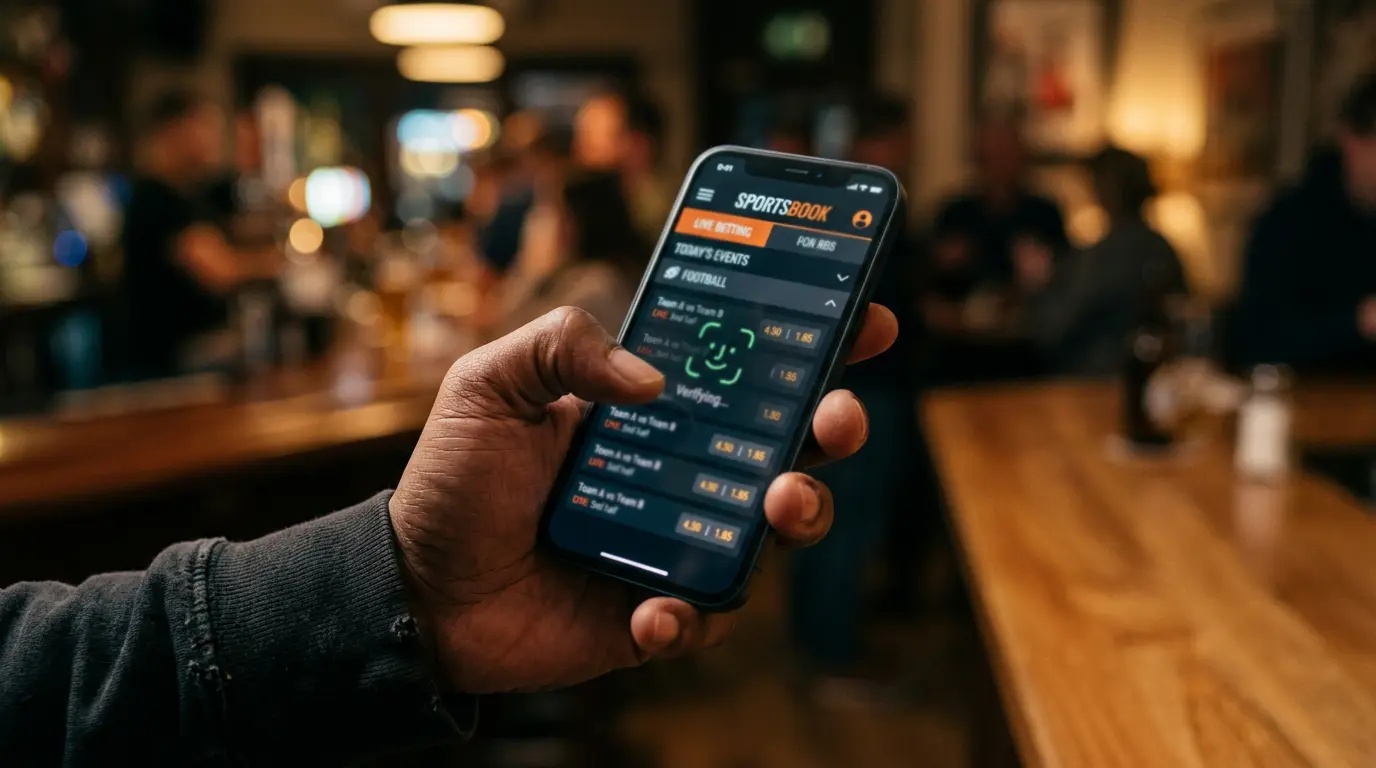
I was scrolling through fight-night prices on the evening of 1 November 2025 — UFC Vegas 110, a mid-card that would have been forgettable otherwise — when I noticed something unusual on the Isaac Dulgarian versus Yadier del Valle line. Dulgarian had been a short favourite in the opening market, priced at around 1.40. In the hours before the fight, his price had drifted to 1.77 and del Valle had shortened from 3.00 to 2.10. That pattern — sharp favourite drifting, heavy dog shortening — in the hours before a mid-card featherweight bout with no public news to explain it, was the signal that something was wrong. I did not bet the fight. Many people did. Then the fight happened and the story broke within hours.
UFC match-fixing cases are rare, and betting integrity work is a specialised field most punters never need to engage with directly. But the Dulgarian case reshaped how UK sportsbooks handle suspicious action, and understanding how the integrity system works — who watches the markets, how refunds are triggered, what the consequences are for fighters involved — is part of betting UFC responsibly in 2026.
What I want to lay out is how IC360 monitors UFC markets, what the Dulgarian case specifically revealed, how UK sportsbook refunds work when suspicious patterns are confirmed, and why UFC banned fighters and their teams from betting on their own promotion in 2023.
How IC360 monitors every UFC event
IC360 — short for Integrity Compliance 360 — is the independent betting integrity service UFC has used since 2023 to monitor wagering on every event. The relationship is contractual: UFC pays IC360 to watch the betting markets on every scheduled fight, produce integrity reports, and flag unusual patterns to UFC and to partner sportsbooks.
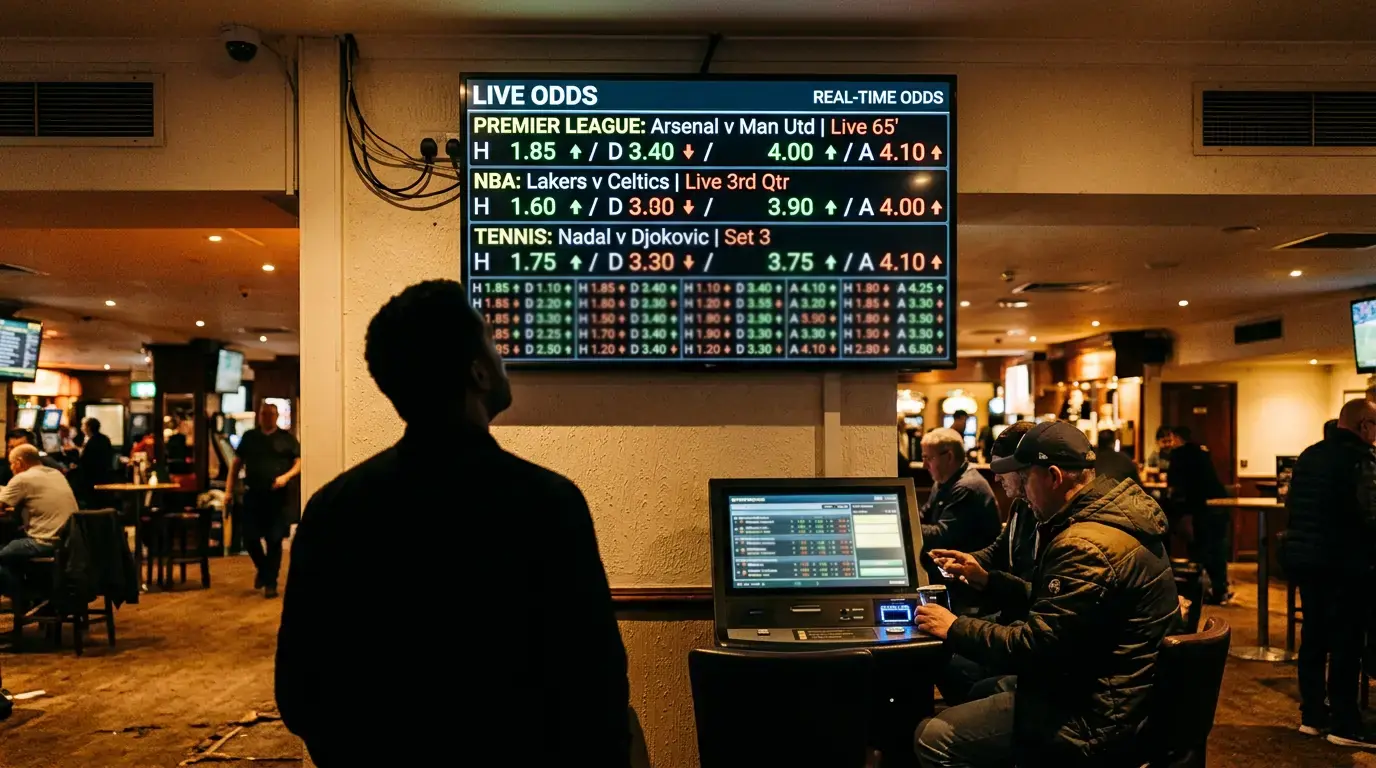
What IC360 actually does. They monitor betting volume, line movement, and pricing patterns across multiple sportsbooks simultaneously. Their tools correlate data across operators — including UK books, US books, and international exchanges — to identify patterns that would be invisible to any single operator looking only at its own market. A line movement on one book might look like normal volume-driven drift; the same movement mirrored across six books with no public news trigger is a red flag.
The service produces a betting report on every UFC fight. Most of these reports find nothing — the vast majority of UFC bouts have clean markets with normal volume patterns and expected line movement driven by news, weigh-ins and public money flow. Occasionally a report flags a pattern that warrants escalation, and that is when the response kicks in.
UFC’s official position, in its statement following the Dulgarian case on 3 November 2025: “UFC works with an independent betting integrity service to monitor wagering activity on our events. Our betting integrity partner, IC360, monitors wagering on every UFC event and is conducting a thorough review of the facts surrounding the Dulgarian vs. del Valle bout… We take these allegations very seriously, and along with the health and safety of our fighters, nothing is more important than the integrity of our sport.”
The UFC Vegas 110 incident was the second serious betting integrity case in UFC in three years, following the Darrick Minner and James Krause matter in 2022. The Krause case resulted in Minner’s release and Krause’s permanent separation from UFC, with FBI involvement in the wider investigation. The Dulgarian case followed a similar pattern.
The Dulgarian case in 2025
What happened on UFC Vegas 110. The featherweight bout between Isaac Dulgarian and Yadier del Valle was scheduled as a mid-card fight on 1 November 2025. Opening markets had Dulgarian as a solid favourite at around 1.40 decimal (roughly 2/5 fractional) and del Valle as a 3.00 dog (2/1 fractional). These prices held in the days leading up to the card.
In the hours before the fight, the prices shifted sharply. Dulgarian drifted from 1.40 to 1.77. Del Valle shortened from 3.00 to 2.10. Volume on del Valle was disproportionate to what would be expected on a mid-card underdog. The pattern — across multiple books — triggered integrity scrutiny.
The fight itself was over quickly. Dulgarian was submitted in the first round. The betting pattern combined with the fight result produced immediate red flags, and IC360 began a formal review within hours. UFC released a public statement on 3 November, two days after the bout.
Two of the operators who had taken significant action on the fight — Caesars and William Hill — announced they would refund losing bets placed on Dulgarian. The refunds were a direct response to the integrity concern: the operators had determined that the market had been compromised to the point where the fight could not be treated as a normal betting event.
Dulgarian was subsequently released from his UFC contract. The FBI became involved — Dana White confirmed this publicly — and the wider investigation continues at the time of writing. Dana White’s statement during the following week, via TMZ Sports, set the tone for UFC’s position: “The first thing we did was call the FBI. I’ve met with the FBI twice today. If you try to do this, we will be your worst enemy. We will immediately go after you with the FBI.”
The case established a template for how UK sportsbooks respond to suspicious UFC betting activity in 2026 and beyond — rapid integrity review, market suspension where appropriate, refunds on losing bets where the market is determined to have been compromised, and full cooperation with UFC’s investigation and any law enforcement involvement.
What refunds mean for you as a punter
When a UK sportsbook refunds losing bets on a compromised UFC fight, the practical effect for affected punters is that their stake is returned. If you backed Dulgarian on Caesars or William Hill in the UFC Vegas 110 example, your losing bet was refunded to your account balance. You did not receive winnings — refunded stakes are not profit — but you did not lose the stake either. The fight is treated as if it never happened for betting purposes.
What about punters who backed del Valle, the fighter whose market had been compromised in the suspicious direction? The operators’ refund decision applied to losing bets. Winning bets on the fight were a more delicate question — paying winnings on a compromised market is awkward from an integrity perspective, but refusing to pay winnings on an unverified suspicion is awkward from a consumer protection perspective. The specific operator responses to winning bets on Dulgarian versus del Valle varied, and the process is usually handled on a case-by-case basis.
Dana White’s comment that followed — in the TMZ interview that got broadly picked up — captured the operators’ side of the calculus: if you bet into a fixed fight as a punter in good faith, you should not lose money; if you know a fight is fixed, you should not profit from it; separating the two categories is a judgement call that takes time.
From the UK punter’s perspective, the refund policy is reassuring. It means that UK-licensed sportsbooks will not hold losing punters to bets made into compromised markets. The downside is that refunds take time to process, and the uncertainty in the immediate aftermath of an integrity alert is stressful if you have a stake live.
The practical rule I adopted after UFC Vegas 110: if I see a sudden unexplained line movement on a UFC fight in the final hours before the bell, I stay out of that fight entirely. Losing money to an outcome is manageable; losing time and peace of mind to a refund process is not.
Why UFC bans fighters and coaches from betting
Since 2023, UFC has formally prohibited all fighters, coaches, managers and other affiliates from placing bets on UFC events. The ban is enforced through the UFC’s own compliance infrastructure, with violations treated as grounds for termination of contracts and forfeiture of earnings.
The logic of the ban is that insider information is the most dangerous commodity in combat sports integrity. A coach who knows his fighter has a hidden injury has information not priced into the market. A fighter who knows he is going to let his opponent win has the most valuable information anyone could have. The only defence against these information asymmetries is to prohibit everyone with access to them from betting at all.
The Krause case in 2022 — which triggered the eventual formalisation of the 2023 betting ban — involved a coach running a betting group that used information from his fighters’ training camps to make wagers. The case produced federal charges against Krause and his associates and was the catalyst for UFC’s tightened integrity framework.
From 2023 forward, IC360 monitors every UFC bout. Fighters, coaches and managers are banned from betting on UFC. Suspicious patterns trigger reviews, investigations, and where warranted, FBI involvement. UK sportsbooks participate in the information-sharing framework that underpins this system and refund losing bets on confirmed compromised markets.
What this means for UK UFC punters in 2026. The integrity system is real, active and more visible now than at any previous point in the sport’s history. Cases like Dulgarian are rare, but when they happen, the response is fast and the consumer protection outcome for honest punters is generally solid. Betting UFC remains a legitimate activity on UKGC-licensed operators; the existence of rare integrity failures does not change that. What it does change is how you read unusual line movement — as a warning rather than an opportunity. For the wider picture on how integrity sits alongside licensing, stake limits, levy funding and responsible-play tools, the UK UFC betting regulation hub provides the full context.
If a UK book refunds a suspicious UFC fight, do I keep the winning side?
Usually not — the treatment of winning bets on compromised markets varies case by case. When a sportsbook determines that a UFC fight’s market was compromised, the standard response is to refund losing bets (returning stake to affected punters) and handle winning bets on a review basis. Winning bets are not paid automatically while an integrity investigation is ongoing, and the final determination depends on the specific circumstances of the fight and the market activity around it. In the UFC Vegas 110 Dulgarian case, losing bet refunds from Caesars and William Hill were the primary consumer-facing action.
Who is IC360 and what do they actually see?
IC360 is an independent betting integrity service that UFC has partnered with since 2023 to monitor wagering on every event. Their tools correlate betting data across multiple sportsbooks — UK books, US operators, international exchanges — to identify patterns that would not be visible to any single operator. They produce a betting report on every UFC bout. Most reports find nothing concerning; occasionally a report flags unusual patterns that trigger review, market suspension, sportsbook refund decisions, and where warranted, UFC and law enforcement action.
Why are UFC fighters and coaches banned from betting on their own promotion?
Because insider information is the most dangerous integrity threat in combat sports. A fighter knows things about their own preparation, injuries and intent that are not priced into any public market. A coach knows the same about their fighter. Allowing people with that information to bet creates a systemic integrity risk that cannot be managed through monitoring alone. The 2023 UFC-wide ban was formalised following the 2022 Krause case, which revealed how coach-level insider betting could be structured, and is now enforced through UFC’s internal compliance framework with sanctions up to and including contract termination.
Created by the ”Best Place to bet on ufc” editorial team.